When Mantras Meet Faith
A Lesson in Spiritual Inclusivity
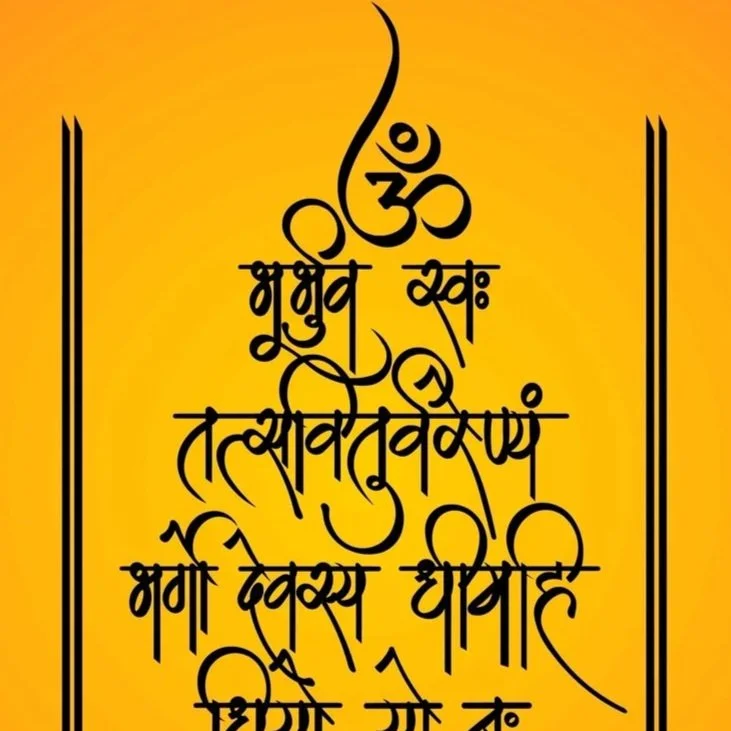
Recently, a young woman approached me after a workshop at a conference with a question that gave me pause. I had presented on neurospiritual practices for healing addiction and included a well-known Kundalini practice called Kirtan Kriya.
She told me she felt very uncomfortable with this practice. The words in the mantras that I had given the group were practices that were incompatible with her Christian faith. These were not the words of Christ, she noted, but foreign sounds that, in her view, might be spiritually dangerous, or aligned with the devil.
Her hesitation was not one of judgment but of genuine spiritual concern. She wanted very much to participate and felt a strong pull toward these techniques. However, she didn’t know how to reconcile a yogic or Kundalini approach with her strict Baptist beliefs.
I respected her sincerity and the depth of her faith. I also understood where she was coming from. In my own experience, the pull toward these practices of mantra and chanting was palpable from the first day I discovered them. They have been profoundly transformative.
Still, her concern revealed something important: that even well-intentioned practices can unintentionally exclude.
In that moment, I offered a gentle suggestion: What if she replaced the Sanskrit sounds with Christian words or scripture? While I didn’t have a specific example at hand, the idea resonated with both of us — and stayed with me long after the conversation ended.
A New Perspective
During the long drive home from the conference, her question continued to echo in my mind. It highlighted something I had not fully addressed in my writing or teaching: how certain spiritual tools, though universal in their intent, may feel inaccessible, or even threatening, to those whose religious frameworks don’t easily accommodate cross-traditional practices.
Though I have always strived to honor all faiths and have delved into the study of scriptures of many of them, her insight challenged me to go deeper. It allowed me to be more deliberate in crafting an approach that genuinely welcomes everyone.
This wasn’t just a moment of dialogue: It was an invitation to grow.
The Science of Kirtan Kriya
It’s important to note that practices like Kirtan Kriya are not just spiritual — they are also profoundly physiological. The Alzheimer’s Research and Prevention Foundation has shown that chanting “Sa-Ta-Na-Ma” for just 8–12 minutes a day over 12 weeks can increase cerebral blood flow to areas of the brain associated with memory and cognition. Specifically, it activates the posterior cingulate gyrus, a region often affected in the early stages of dementia.
There’s also compelling research on its impact on the Default Mode Network (DMN), the part of the brain associated with mind-wandering, rumination, and self-referential thinking. Kirtan Kriya has been shown to help quiet this network, enhancing focus and reducing anxiety. Moreover, its rhythmic sound and coordinated finger movements stimulate the vagus nerve, promoting a calming parasympathetic response: lower blood pressure, slower heart rate, and greater emotional regulation.
Integrating Faith and Practice
The challenge, and the gift, is to find language and methods that support healing without requiring spiritual compromise. For those rooted in the Christian tradition, particularly Pentecostal, Baptist, or Conservative churches, alternative language might include phrases like “Peace, be still,” “Jesus is my guide,” “Jesus is my Savior,” or even the rhythmic repetition of psalms.
What matters most is not the origin of the language so much as the rhythm and stimulation of nerve endings that create an intention. Of equal importance is the generation of a resonance with the practitioner’s heart.
How to Practice Kirtan Kriya
Kirtan Kriya is a simple yet powerful meditation technique that combines sound, breath, and gentle finger movements (mudras) to activate key regions of the brain, balance the nervous system, and deepen inner awareness.
Traditionally, it uses the Sanskrit sounds Sa-Ta-Na-Ma, which represent the cycle of life: birth, life, death, rebirth.
For those who prefer faith-aligned language, the mantra can be respectfully adapted while retaining its transformative effects.

Kirtan Kriya Mudras
Finger Movement Sequence
With each syllable, press the thumb to the corresponding fingertip:
Thumb to Index Finger — First syllable
Thumb to Middle Finger — Second syllable
Thumb to Ring Finger — Third syllable
Thumb to Pinkie Finger — Fourth syllable
Repeat the mantra in three phases: aloud (2 minutes), whisper (2 minutes), silent (4 minutes), then reverse — whisper (2 minutes), aloud (2 minutes). The full cycle takes 12 minutes.
Mantra Options by Tradition
Traditional Sanskrit (Original)
Sa — Ta — Na — Ma
(Birth — Life — Death — Rebirth)
Christian-Inspired Alternatives
Lord — Jesus — Have — Mer–cy — A–men
Love — Christ — Peace — Grace
I — Am — That — I — Am
Islamic-Inspired Alternatives
Al–lah — Rah–man — Ra–him — Sa–laam
(God, the Merciful, the Compassionate, Peace.)Sub–han — Al–lah — Al–hamd — Li–llah
(Glory be to God, Praise be to God.Hu — Al–lah — Haqq — Sa–laam (The Divine, God, Truth, Peace.)
Hebrew-Inspired Alternative
Leida - Chayim - Mavet - Gilgul
(Birth - Life - Death - Reincarnation)
Why It Works
The combination of sound, breath, and finger movement activates the Default Mode Network, bringing it into a state of calm and internal focus. The Kirtan Kriya was found to activate memory areas, as well as social cognition.
When deactivated, this brain system is involved in rumination, anxiety, and future planning, which can evolve into rumination and resentment.
Studies from Harvard have linked this practice to a range of physical and cognitive benefits, including:
Improved cerebral blood flow
Balancing of brain hemispheres
Regulation of stress hormones
Enhanced sensory awareness and intuition
Strengthening of memory and communication pathways
Whether through ancient Sanskrit, sacred scripture, or devotional names of the Divine, the power of rhythmic repetition lies in its ability to focus the mind, open the heart, and invite healing.
Spiritual practices should never feel like spiritual betrayals.
When approached with humility and openness, they can become bridges, not barriers, between belief systems.
And sometimes, the most unexpected questions can open the most necessary doors.